Houston Whiplash Lawyer
We are dedicated to helping those who have been injured or affected by a catastrophic injury. You may contact us 24/7 at (832) 690-7000 for a free, confidential consultation or to schedule an appointment with us.
Click for a Free Consultation


.avif)


Whiplash is often dismissed as a sore neck that will clear up in a few days. For some people, the reality is much more difficult. Pain can make it hard to turn your head while driving, sit through a workday, sleep comfortably, lift your child, or handle activities that were routine before the accident.
Whiplash can also be an invisible injury. You may have no cast, stitches, or obvious external injury even though pain and limited movement are affecting your daily life. Some symptoms may also develop in the days after the accident rather than immediately.
When a whiplash injury was caused by someone else's negligence, you may be able to pursue compensation for medical care, lost income, pain and suffering, and other losses.
Pierce Skrabanek can investigate what happened, assess the evidence supporting your injuries, and handle the insurance company on your behalf. Contact us online or call (832) 690-7000 for a free consultation with a Houston whiplash attorney.
What Is a Whiplash Injury?
Whiplash occurs when the neck is forcefully and rapidly moved back and forth. The sudden acceleration and deceleration can injure muscles and other tissues in the neck and produce a range of symptoms known as whiplash-associated disorders.
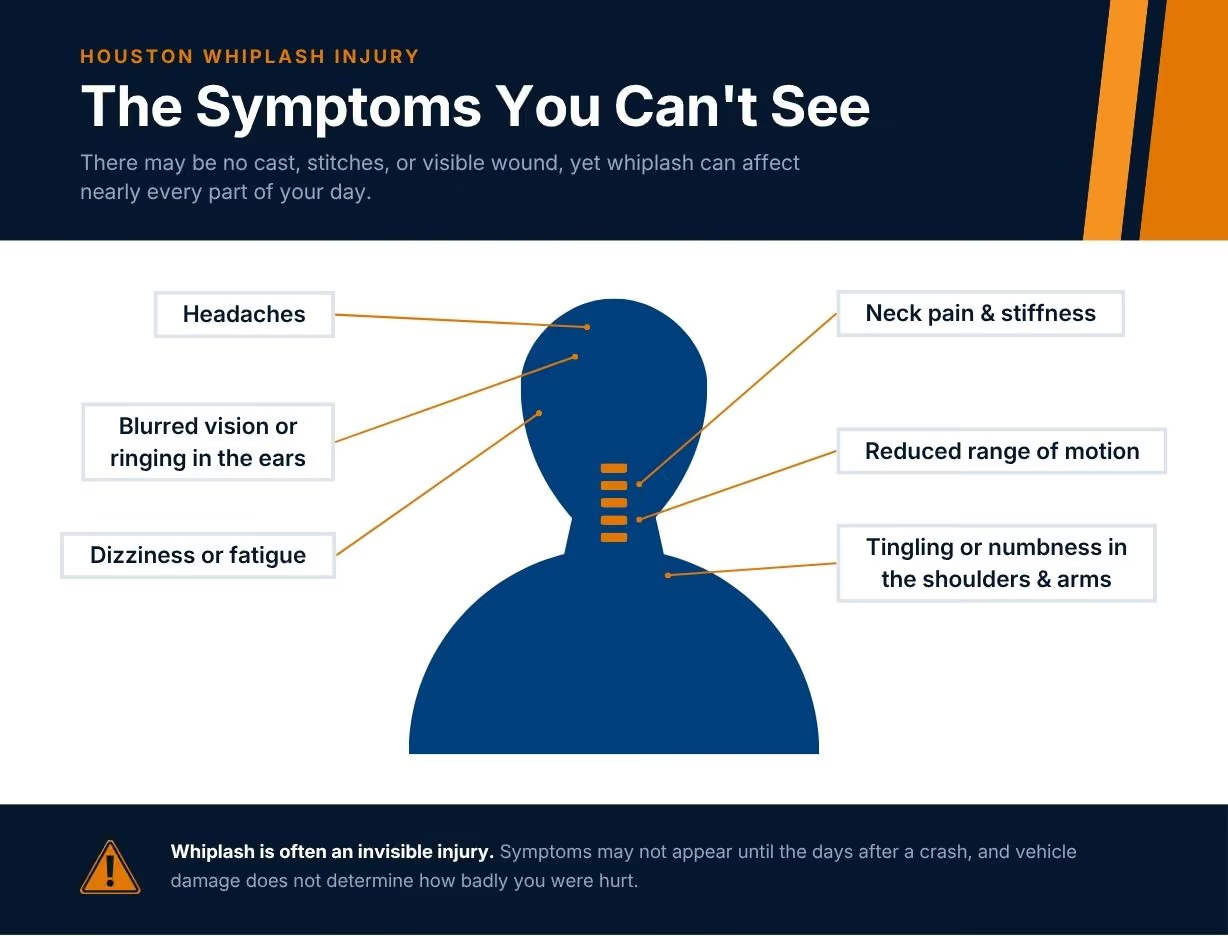
Whiplash symptoms can include:
- Neck pain and stiffness;
- Reduced range of motion;
- Pain in the shoulders, upper back, or arms;
- Headaches;
- Tingling or numbness in the arms;
- Dizziness or fatigue;
- Blurred vision or ringing in the ears; and
- Difficulty sleeping or concentrating.
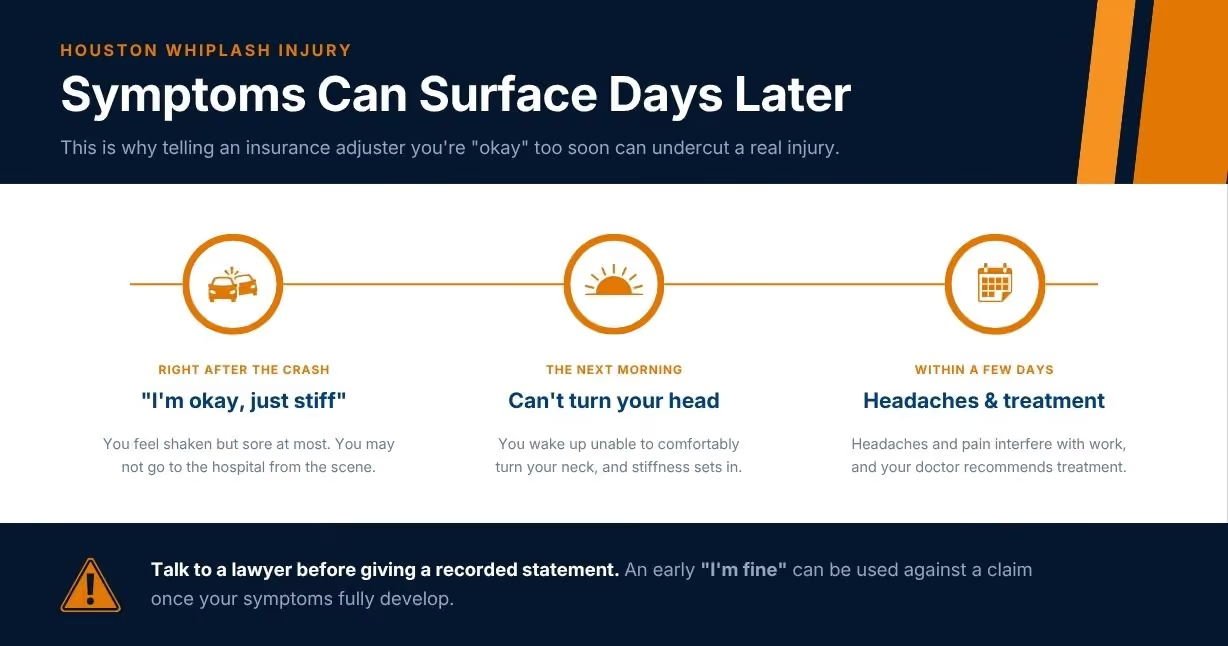
Symptoms do not always begin immediately after the accident. You might leave a Houston crash thinking your neck is simply stiff, then wake the next morning unable to comfortably turn your head. Within the next few days, headaches or increasing pain may begin interfering with work and sleep.
Seeking a medical evaluation can help identify your injuries and rule out fractures or other conditions that could be causing or worsening your symptoms.
How Do Car Accidents Cause Whiplash Injuries?
Rear-end collisions are commonly associated with whiplash because the impact can abruptly force the head and neck backward and forward. Other types of crashes can produce similar forces.
Houston accidents that can cause whiplash include:
- Rear-end collisions: A driver stopped at a red light on Westheimer Road may be struck from behind, causing rapid movement of the neck.
- T-bone collisions: A side impact can abruptly move an occupant's head and body in different directions.
- Head-on crashes: The force of impact can cause significant movement of the head and neck along with other injuries.
- Multi-vehicle collisions: An occupant may experience several sudden movements as vehicles collide with one another.
- Sudden-stop crashes: Rapid deceleration can injure the neck even when the person's head does not strike anything inside the vehicle.
Visible vehicle damage does not determine whether someone suffered whiplash. This can become important when an insurer points to photographs of a relatively intact bumper and argues that the crash could not have caused the symptoms being reported.
What Kinds of Accidents Can a Houston Whiplash Injury Attorney Handle?
Although car accidents are a common cause of whiplash, other incidents can also cause the sudden movement that injures the neck.
Pierce Skrabanek handles cases involving:
- Motor vehicle accidents;
- Motorcycle accidents;
- Bicycle and boating accidents;
- Falls; and
- Other incidents caused by preventable negligence.
You do not have to strike your head against a steering wheel, window, or another object to suffer whiplash. The sudden movement itself can cause injury.
What Are the Short- and Long-Term Symptoms of Whiplash?
Many people recover from whiplash within several weeks, while others continue experiencing symptoms for months or longer.
Persistent whiplash can affect much more than someone's comfort. A Houston office worker may struggle to sit in front of a computer for an entire shift. Someone who drives for work may have difficulty turning far enough to check a blind spot. A parent may find lifting a child painful, while disrupted sleep can make an already difficult recovery harder.
Other ongoing limitations can include:
- Needing frequent breaks from computer work;
- Missing work for treatment or specialist appointments;
- Avoiding driving because turning the head is painful;
- Giving up exercise or recreational activities;
- Needing help with lifting, cleaning, or childcare; and
- Having difficulty sleeping because certain positions increase the pain.
Whiplash can also change throughout the day. Someone may feel relatively comfortable after waking up but experience increasing stiffness and headaches after several hours at a desk. A commute across Houston may aggravate symptoms because checking mirrors, looking over a shoulder, or sitting in traffic requires repeated neck movement. By evening, activities that normally take little effort can become difficult.
These details can be important when describing the severity of an injury. The question is not simply whether you can still work, drive, or take care of your household. Your medical providers and attorney may also need to understand whether those activities cause pain, require modifications, take longer, or leave you unable to do much afterward.
How Is Whiplash Diagnosed?
There is no single test that simply comes back “positive for whiplash.”
A medical provider may ask how the injury occurred, when your symptoms began, and which movements cause pain. A physical examination can evaluate your range of motion, tenderness, strength, reflexes, and sensation.
X-rays, CT scans, or MRIs may also be ordered. Whiplash itself does not necessarily appear on imaging, but these tests can help doctors identify or rule out fractures, disc injuries, and other conditions that may be contributing to your symptoms.
That distinction can matter in a whiplash claim. An insurer may point to an X-ray that did not reveal a fracture as evidence that you were not seriously injured. Your complete medical record can provide a much fuller picture, including restricted movement, reported symptoms, treatment, referrals, and whether those symptoms continued.
How Is Whiplash Treated?
Treatment depends on the severity of the injury and the symptoms you are experiencing. It may include medication, prescribed exercises, physical therapy, and other treatment recommended by your medical provider.
For someone with persistent symptoms, treatment can continue for weeks or months. Medical records from that care can document whether your symptoms improved, continued, or worsened and whether additional treatment became necessary.
When a Whiplash Injury Is Affecting More Than Your Neck
If pain, headaches, limited movement, or other symptoms are interfering with your work and daily life after a Houston accident, Pierce Skrabanek can help document the impact of your injury and pursue compensation from those responsible.
Call (832) 690-7000 for a free consultation with a Houston whiplash lawyer.
What Evidence Can Strengthen a Houston Whiplash Claim?
Whiplash can be difficult to document because there may be no broken bone, visible wound, or cast. Evidence showing both the injury and how it has affected you can include:
- Medical records: When symptoms began, examination findings, diagnoses, and how your condition changed over time.
- Diagnostic testing: X-rays, CT scans, and MRIs that identify or rule out other injuries.
- Treatment records: Physical therapy, medications, specialist referrals, and other recommended care.
- Photos and video: Vehicle damage, positions, and other evidence showing how the accident occurred.
- Work records: Missed shifts, reduced hours, used leave, and written restrictions.
- Prior medical records: Records that can distinguish an existing neck condition from symptoms caused or aggravated by the accident.
Be specific with your medical providers about what you are experiencing. If turning your head hurts, headaches interfere with work, or pain keeps waking you at night, those details can become part of your medical record.
You can also keep a simple record of how the injury affects you between appointments. You might note that you had to leave work early because of a headache, could not drive because you could not comfortably check your blind spot, or needed someone else to handle lifting at home. These notes can help you remember details when speaking with your doctor or attorney weeks later.
Be Careful Giving a Recorded Statement After a Whiplash Injury
An insurance adjuster may contact you shortly after a Houston car accident and ask for a recorded statement. With whiplash, that conversation can happen before you know how significant your symptoms will become.
Suppose you are rear-ended while stopped on Westheimer Road. The next morning, an adjuster asks how you are feeling. Your neck is stiff, but you answer, “I'm sore, but I'm okay.” Three days later, you cannot comfortably turn your head, headaches are interfering with work, and your doctor recommends additional treatment.
The insurer now has a recording of you saying you were “okay.”
Be particularly careful with questions such as:
- “You didn't go to the hospital from the scene, correct?” Your symptoms may have developed later.
- “Your car wasn't badly damaged, was it?” The appearance of the vehicle does not determine whether you suffered whiplash.
- “You're back at work, correct?” You could be working despite pain, restrictions, additional breaks, or time away for medical appointments.
Do not guess about details you cannot remember or the severity of an injury that is still being evaluated. Speak with a Houston whiplash attorney before giving a recorded statement to the other driver's insurer.
What Kind of Settlement Can a Houston Whiplash Attorney Help You Secure?
Your Houston whiplash lawyer can pursue compensation for losses related to your injury, including:
- Medical expenses: Emergency care, diagnostic testing, physician visits, physical therapy, medications, specialist care, and future treatment.
- Lost income: Earnings lost because your injury or medical appointments kept you from working.
- Reduced earning capacity: Losses when persistent symptoms affect your ability to perform your job or earn the same income.
- Pain and suffering: Physical pain and the effect the injury has had on your daily activities and quality of life.
The value of a whiplash claim depends on the circumstances, including the severity and duration of your symptoms, your treatment, lost income, available insurance coverage, and how the injury has affected your life.
What Texas Laws Affect a Whiplash Injury Claim?
Two Texas laws are particularly important when pursuing compensation after an accident.
Texas has a two-year statute of limitations
Under Texas Civil Practice and Remedies Code § 16.003, a personal injury lawsuit generally must be filed within two years of the injury.
Evidence can disappear much sooner. Surveillance video may be overwritten, vehicles can be repaired, and witnesses can become difficult to locate. Different deadlines can also apply in certain circumstances, including some claims involving government entities.
What if I'm partly at fault for the accident?
Texas follows a modified comparative responsibility rule. You generally cannot recover damages if you are more than 50% responsible for the accident. If you are 50% or less responsible, your recovery is reduced according to your percentage of fault.
For example, if your damages total $100,000 and you are found 20% responsible, your recovery would be reduced to $80,000.
The percentage initially assigned by an insurance company is not necessarily the final determination. Accident-scene evidence, witness accounts, photographs, and other records can help establish how the collision occurred.
What Does the Legal Process Look Like for a Houston Whiplash Claim?
A whiplash claim can develop alongside your medical treatment because you may not immediately know whether your symptoms will resolve or continue for months.
The process generally includes:
- Investigating the accident and gathering reports, photographs, video, and witness information.
- Documenting your injuries through medical records, diagnostic testing, treatment, and restrictions.
- Calculating your losses, including medical expenses, lost income, and other damages.
- Presenting the claim and negotiating with the insurance company.
- Filing a lawsuit when necessary if liability, your injuries, or fair compensation remains disputed.
Timing can be particularly important in a whiplash case. A settlement offered shortly after the accident may arrive before you know whether several weeks of physical therapy will resolve your symptoms or whether you will need additional testing, specialist care, or time away from work.
Once a claim is settled, you generally cannot return to the insurer months later because your neck still hurts or you need additional treatment. Your attorney can review your medical progress and available evidence before evaluating whether a settlement accounts for the losses associated with your injury.
How Can Pierce Skrabanek Help With a Whiplash Claim?
Whiplash claims can face challenges that are especially common with injuries that are difficult to see. An insurance company may argue that:
- The collision was too minor to cause your injury;
- You did not report neck pain immediately;
- Your imaging did not show a significant injury;
- Returning to work means your symptoms are not debilitating;
- Your treatment lasted longer than necessary; or
- Your symptoms came from a previous neck or back condition.
Those disputes require more than simply telling the insurance company that you are still in pain. Pierce Skrabanek can look at the timeline of your symptoms, medical examinations, treatment recommendations, work restrictions, prior medical history, and evidence showing how the accident occurred.
For example, if an insurer argues that your neck pain existed before the crash, your attorney can compare your earlier medical records with what happened afterward.
A person who occasionally experienced manageable neck stiffness before a collision may have a very different medical history afterward, including frequent headaches, physical therapy, reduced range of motion, new medication, or difficulty working.
“Whiplash can be difficult because the people around you may not be able to see what you're dealing with. You don't have a cast that tells everyone you're hurt. But if you can't turn your head without pain, sleep through the night, or make it through your workday comfortably, those limitations are real. Our job is to make sure the evidence tells that story.”
— Michael Pierce │Firm Partner
Proudly Representing Houston Residents

Pierce Skrabanek Fights for Results
We fight for the legal rights of clients nationwide in a broad range of areas:
Our Testimonials

“Every person I came in communication with was a great person. This law firm treats you as family and will do anything to get the best for you.”
Andres T.
“Mr. Skrabanek and his team are all very diligent, thorough, and hard-working. For my first time ever needing a lawyer, I had a great experience. They walked me through the process and answered all of my questions along the way and in a timely manner. I greatly appreciate all of their help!”
Tori P.
“They took care of me from start to finish! I’m very pleased with my results. I will 100% recommend it to my friend's family or just another person who needs good help in a bad situation. Thank you to Paul and the whole team!”
Jon J.
Get Free Consultation
Fill Out Our Form For Your Free Consultation
Contact a Proven Houston Whiplash Injury Lawyer
Whiplash can interfere with your ability to work, drive, sleep, exercise, and care for your family, even when there is little outward evidence of the injury. Medical records, treatment history, work restrictions, and evidence from the accident can help document those losses.
Pierce Skrabanek represents people with serious neck and back injuries throughout Houston. Our attorneys can investigate the accident, handle communications with insurers, and build a claim supported by the available evidence.
Call (832) 690-7000 or contact Pierce Skrabanek online for a free, confidential consultation.
What Our Clients Are Saying About Us
Frequently Asked Questions
Frequently Asked Questions
Can I have whiplash if my car wasn't badly damaged?
Yes. Vehicle damage alone does not determine whether you suffered whiplash. Doctors consider your symptoms, physical examination, how the accident occurred, and other medical findings when diagnosing the injury.
Can whiplash symptoms show up later?
Yes. Neck pain, stiffness, headaches, dizziness, and other symptoms may develop or become more noticeable in the days after an accident.
Seek medical care if symptoms appear or worsen after a Houston crash.
Can I still have a claim if I had neck problems before the accident?
Yes. You may still have a claim if the accident caused a new injury or aggravated an existing neck condition. Medical records from before and after the accident can help document what changed.
How long does a Houston whiplash claim take?
The timeline depends on your medical treatment, whether fault or your injuries are disputed, and whether the case can be settled or requires a lawsuit.
Do I need a lawyer for a whiplash claim?
You are not required to hire an attorney. Legal representation can be helpful when symptoms persist, you miss work, fault is disputed, or the insurer questions whether the accident caused your injuries.
Call Pierce Skrabanek at (832) 690-7000 for a free consultation about your Houston whiplash claim.
We’re Here for You:
Real Results for Real Challenges
We know how tough things can get after an injury. That’s why we make your struggles our fight. With over three decades of combined experience, we’ve been the reliable allies our clients need, tackling financial hardships, physical pain, and major life changes. Our track record of successful verdicts and settlements speaks to our team’s passion and dedication to helping clients get the support and justice they need.
$2 Million Settlement for Automobile Accident Victim
Summary: Served as second chair trial attorney on plaintiff’s case concerning injuries suffered in an automobile accident. Plaintiff obtained a total judgment in the amount of $2 million, which was approximately five times defendant’s highest pretrial settlement offer.
$117 Million Jury Verdict for an Ambulance Accident Case
Summary: Mike Pierce was one of the lead lawyers responsible for obtaining a $117 million recovery for a catastrophic injury to a twenty-one-year-old mother of two. The suit involved a serious car accident that occurred while an Acadian Ambulance driver was transporting the plaintiff to the hospital.


