Understanding the Difference Between Intrastate vs. Interstate Trucking
By Pierce | Skrabanek
Published on:
March 12, 2026
Updated on:
June 24, 2026

.avif)

After a truck accident, most people are focused on their injuries, their medical bills, and getting through each day. The last thing on their mind is whether the truck was operating under federal or state regulations. But that question turns out to matter quite a bit.
The difference between interstate vs. intrastate trucking affects which rules apply to that driver, which agency has oversight, and how much insurance coverage the trucking company is required to carry. Those answers can determine who is responsible for what happened to you.
With over 30 years of experience handling truck accident cases across Texas, Pierce Skrabanek knows what these cases involve and how to fight for the people injured in them. Call (832) 690-7000 or contact us online for a free consultation.
What Is the Difference Between Interstate and Intrastate Trucking?
The answer comes down to where the truck operates and whether it crosses a state border.
Interstate trucking involves commercial vehicles that cross state lines to pick up or deliver cargo. What does interstate mean in trucking? It means the moment a truck leaves Texas and enters another state, or crosses into Texas from another state, federal rules apply.
Some examples of interstate trucking include:
- A semi-truck hauling freight from Houston to Nashville,
- A tanker truck transporting fuel from Texas to Louisiana, or
- A flatbed truck carrying equipment from El Paso into New Mexico.
Intrastate trucking operates entirely within one state. What does intrastate mean in trucking? The driver picks up and delivers within Texas only, never crossing into another state.
Some examples of intrastate trucking include:
- A concrete truck making deliveries across job sites in Dallas,
- A refrigerated truck moving produce between cities in Texas, or
- A dump truck hauling materials between construction sites in Houston.
Because these two types of operations are governed by different rules, understanding intrastate vs. interstate trucking is important when determining what safety standards apply to the driver and carrier involved in your accident, and whether those standards were followed.
What to Do in the Days After a Truck Accident
The moments after a truck accident are chaotic, and if you were seriously hurt, there are steps you simply may not have been able to take. That is understandable. If you can find out whether the truck was operating interstate or intrastate, write it down. Here is what else can help in the days that follow.
- Take as many pictures as possible. Photograph everything you can: the exterior and interior of your vehicle, the truck, road conditions, skid marks, and any visible injuries, no matter how minor they appear. If bruising or marks develop over the next few days, photograph them every day until they heal.
- Do not apologize or argue at the scene. A crash scene is not the time to discuss fault or liability. Do not apologize to the other driver, even if it feels like the polite thing to do. Anything you say can be used against you later.
- See a doctor, even if you feel okay. Some injuries do not show up right away. Getting evaluated creates a medical record that connects your injuries to the accident, and that documentation can become critical evidence.
- Notify your insurance company. Let your insurer know about the accident as soon as you are safe. Keep the conversation factual, stick to what you know, and avoid speculating about fault.
- Be careful if the trucking company's insurer contacts you. You are not required to answer questions or provide a statement, so tell them you need to speak with an attorney first. Insurance adjusters are trained to ask questions in ways that can minimize what compensation you can recover.
If you were badly injured in a truck accident and could not take these steps, do not worry. Pierce Skrabanek can thoroughly investigate the accident and gather evidence on your behalf. Call (832) 690-7000 to get started.
How Do You Identify the Type of Truck Involved in Your Accident?
Knowing what type of truck was involved in your accident matters. The type of truck can affect which regulations apply, the cargo being carried, and the insurance coverage the trucking company must carry.
Trucks Commonly Used in Interstate Operations
- Semi-trucks (18-wheelers). The largest commercial vehicles on the road, semi-trucks haul freight across state lines and are subject to strict federal weight, safety, and hours-of-service regulations.
- Refrigerated trucks. Also called reefer trucks, these transport temperature-sensitive cargo, such as food and pharmaceuticals, over long distances, making them common in interstate operations.
- Tanker trucks. Designed to transport liquids or gases, including fuel, chemicals, and water. Tankers carrying hazardous materials are subject to additional regulations regardless of whether they operate interstate or intrastate.
- Flatbed trucks. Used to haul oversized or irregularly shaped loads like construction materials, machinery, and equipment. Common in interstate operations, particularly those serving Texas oilfields and industrial sites.
Trucks Commonly Used in Intrastate Operations
- Dump trucks. Used to haul loose materials like dirt, gravel, and construction debris. Primarily intrastate, they are a frequent presence on construction sites and roadways across Texas.
- Concrete mixing trucks. Deliver ready-mix concrete to construction sites. They operate almost exclusively intrastate and are common in urban and suburban areas experiencing construction activity.
- Bucket trucks. Used for overhead work such as electrical and telecommunications maintenance. They typically operate intrastate and are often seen working alongside Texas roadways.
- Utility trucks. Used by utility companies for maintenance and repair work. They typically operate intrastate and are commonly seen during infrastructure and power line projects across Texas.
Trucks Used in Both Interstate and Intrastate Operations
- Box trucks. Enclosed cargo trucks are used for local and regional deliveries, moving services, and retail distribution. Depending on their size and operation, they may cross state lines or remain within Texas.
- Tow trucks. Recover and transport disabled vehicles. They can operate in both interstate and intrastate capacities depending on where the recovery takes place.
How to Identify a Truck's Operating Status
One of the first things to look for after a truck accident is the number on the truck's cab. Two types of numbers may appear depending on how the truck was operating:
- USDOT number: Required for interstate trucks, issued by the Federal Motor Carrier Safety Administration. It identifies the carrier and links to their federal safety records, inspection history, and compliance information.
- TxDMV number: Required for intrastate trucks operating within Texas, issued by the Texas Department of Motor Vehicles.
Both numbers must appear on both sides of the truck in a visible, contrasting color. If you were able to photograph the truck at the scene, that number is one of the most valuable pieces of information you can have. It allows investigators, attorneys, and regulators to pull the carrier's full compliance history, including any prior violations or safety concerns.
Are Interstate Trucking Companies Required to Follow Federal Rules?
Interstate trucking falls under federal oversight. The Federal Motor Carrier Safety Administration, a division of the U.S. Department of Transportation, sets the safety standards and minimum insurance requirements that interstate carriers must meet to operate legally.
Federal regulations cover:
- How long a driver can be on the road without rest,
- Vehicle maintenance standards,
- Driver qualifications, and
- Drug and alcohol testing.
When those rules are not followed, the consequences can be serious, and a violation on record can be relevant to what happened in your accident.
The FMCSA also sets minimum liability coverage based on what the truck was carrying:
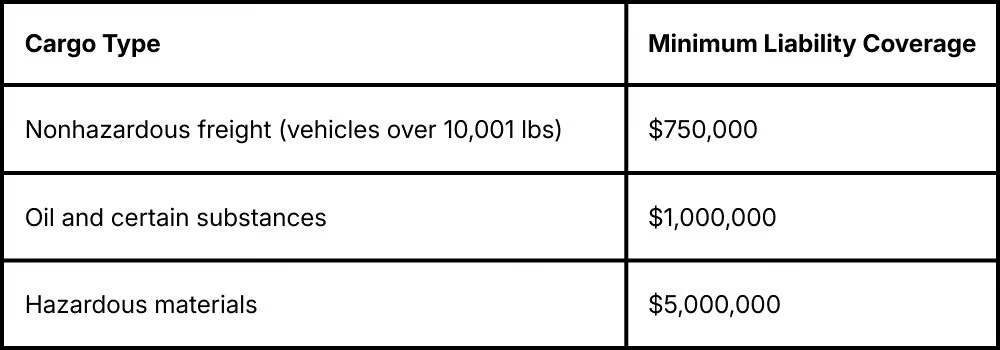
These are the minimum requirements; many carriers offer higher coverage, and some shippers require at least $1,000,000 regardless of cargo type.
Keep in mind that these limits apply per accident, not per person. If multiple people were injured in the same crash, a single policy may be shared among them, leaving victims in truck accident cases significantly undercompensated.
Are Intrastate Trucking Companies Required to Follow Texas Rules?
Intrastate trucking is regulated at the state level. In Texas, oversight is shared between the Texas Department of Motor Vehicles and the Texas Department of Insurance. Carriers operating entirely within Texas must register with the TxDMV and maintain active insurance on file with the state before they can legally operate.
Texas regulations cover:
- Driver qualifications,
- Vehicle maintenance, and
- Hours of service.
But the requirements and enforcement differ from federal standards. The minimum insurance coverage required is also lower than what the FMCSA mandates for interstate carriers.
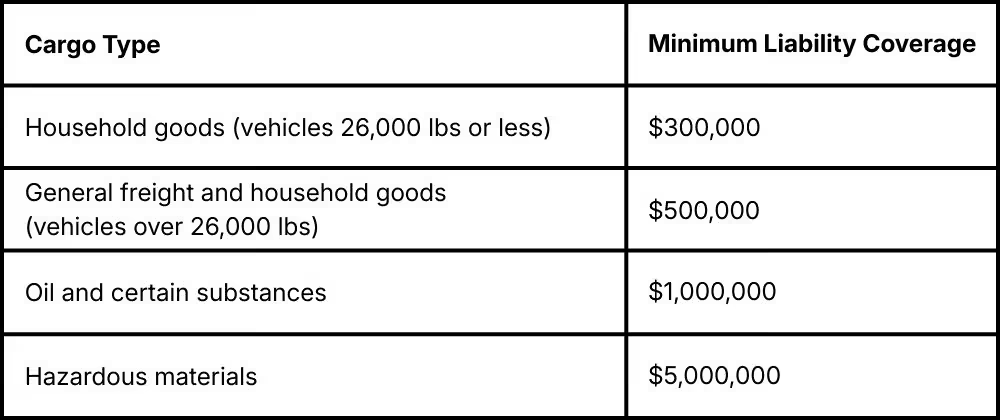
As with federal minimums, these limits apply per accident. In a crash involving multiple injured people, a single policy covers everyone, potentially limiting each person's recovery.
Injured in a Truck Accident? Call Pierce Skrabanek Today
Truck accident cases are complicated, and the difference between interstate and intrastate trucking is just one of the things that can affect your recovery. Which regulations applied, how much insurance coverage was in place, and whether the driver or carrier violated safety standards are all questions that need to be answered.
With more than 30 years fighting for truck accident victims across Texas, Pierce Skrabanek has recovered over $500 million for clients injured by negligent drivers and carriers. We have gone up against major freight companies, oilfield transporters, and regional haulers, and we know how they and their insurers operate when someone files a claim against them.
If you or someone you love was injured in a truck accident, do not wait. Contact us at (832) 690-7000 to schedule your no-cost case review.

Pierce Skrabanek Fights for Results
We fight for the legal rights of clients nationwide in a broad range of areas: