What Happens When Both Drivers Are at Fault in Texas?
By Pierce | Skrabanek
Published on:
October 5, 2026
Updated on:
October 5, 2026

.avif)
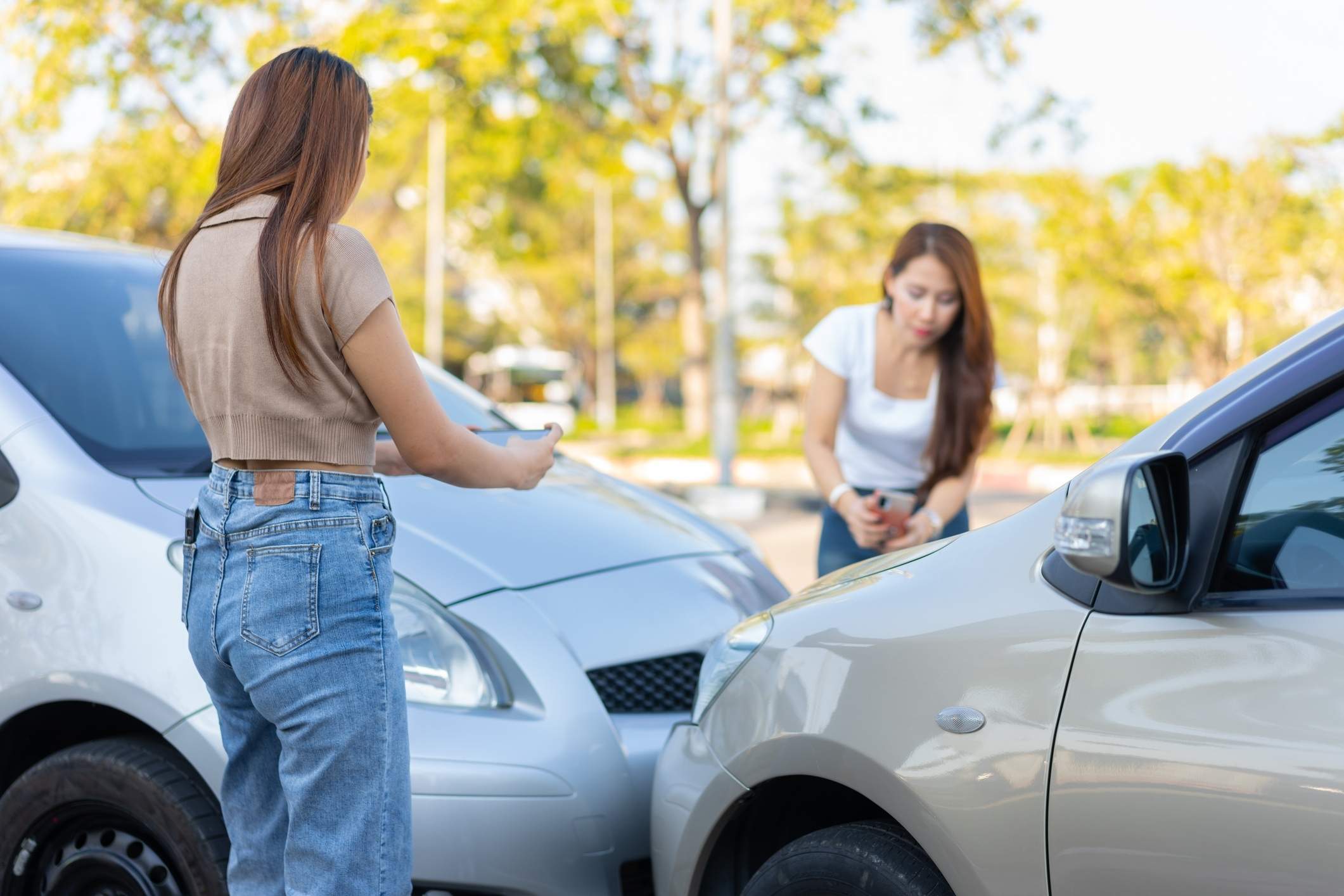
Two drivers make mistakes in the same few seconds. One is speeding. The other turns left when there isn't enough room. They collide, and now each insurance company is pointing at the other driver.
So what happens when both drivers are at fault in Texas?
You don't necessarily lose your right to compensation because you contributed to the crash. Texas law allows responsibility to be divided among the people involved, and your percentage of fault determines whether you can recover and how much you can receive.
Your percentage of fault directly affects how much you can recover for medical bills, missed work, vehicle damage, and other losses from the crash.
Pierce Skrabanek offers free case reviews to people injured in Texas car accidents. Call (832) 690-7000 to discuss what happened and whether shared fault could affect your claim.
Texas Uses a 51% Bar for Car Accident Claims
Texas follows a proportionate responsibility system, where you cannot recover damages when your percentage of responsibility is greater than 50%.
That creates an important dividing line:
- 0% at fault: Your recovery is not reduced for your own responsibility.
- 20% at fault: Your damages are reduced by 20%.
- 50% at fault: You can still recover, but your damages are reduced by half.
- 51% at fault: Texas law bars you from recovering damages under the proportionate responsibility statute.
Suppose your damages total $100,000 and you are found 25% responsible for the collision. Your recovery would be reduced by 25%, leaving $75,000. At 50% responsibility, the same $100,000 in damages would be reduced to $50,000.
The percentage assigned to you therefore affects more than who gets blamed for the wreck. It directly affects how much compensation you can recover.
What Does an Accident Where Both Drivers Are at Fault Look Like?
Shared responsibility often comes down to two separate driving decisions contributing to the same collision.
A driver might be traveling above the speed limit when another vehicle pulls out from a side street. The second driver failed to yield, but the first driver's speed may have contributed to the crash or its severity. In another case, one driver changes lanes without enough room as the driver behind them is following too closely.
Texas crashes involving distracted driving can raise similar questions. One driver could be looking at a phone when another runs a stop sign. Investigators then have to determine what each driver did and how those actions contributed to the collision.
Being able to identify a mistake by both drivers does not tell you their percentages. One driver might bear 10% of the responsibility and the other 90%. The evidence has to show how each person's conduct contributed to the injuries and damages at issue.
Who Decides Each Driver's Percentage of Fault?
Insurance adjusters often make fault determinations when evaluating claims, but their assessment is not the final word on legal responsibility.
When a case goes to trial, the factfinder determines the percentages of responsibility attributed to the claimant, defendants, settling parties, and designated responsible third parties.
That determination can draw from:
- Police crash reports
- Statements from drivers and witnesses
- Photos and video from the scene
- Vehicle damage
- Traffic or surveillance camera footage
- Dashcam recordings
- Skid marks and debris
- Vehicle event data
- Cell phone records when relevant and legally obtained
- Accident reconstruction in complex or serious crashes
The evidence can challenge an insurer's claim that your actions caused a larger share of the crash than they actually did.
What if the Insurance Company Says You Were 51% at Fault?
A few percentage points can determine whether an injured person receives compensation at all. That gives fault a central role in insurance negotiations.
An adjuster might argue that you were speeding, following too closely, failed to brake soon enough, made an unsafe lane change, or should have taken evasive action. A rear-end accident, for example, should not be evaluated solely by looking at which vehicle struck the other. The events leading up to the impact need to be examined too.
An insurer's percentage is not automatically the percentage that would be assigned at trial. Before accepting an assessment that puts you over Texas's 50% recovery threshold, look at what evidence supports it.
An insurance company blaming you for the crash doesn't get the final say. Have Pierce Skrabanek review the evidence and the fault determination at no cost. Reach us at (832) 690-7000.
Can More Than Two People Share Responsibility?
Yes. A collision involving two vehicles does not always mean responsibility is limited to the two drivers.
A commercial truck crash might involve questions about the truck driver, trucking company, maintenance provider, or another party. Our Texas truck accident attorneys investigate the people and companies whose conduct contributed to a collision.
Multi-vehicle crashes can become even more complicated. One vehicle may trigger the initial impact, another driver may react in a way that causes a second collision, and additional vehicles may become involved within seconds.
Texas law allows the factfinder to assign percentages of responsibility to the claimant, defendants, settling persons, and designated responsible third parties when Chapter 33 applies.
What Compensation Can You Recover When You Share Fault?
Your percentage of responsibility reduces the damages you would otherwise recover. Those damages can include medical expenses, lost income, loss of earning capacity, pain, impairment, and other losses supported by the facts of the case.
Consider a motorcyclist who suffers $300,000 in damages after a collision. Evidence shows that the other driver made an unsafe turn, but the motorcyclist was speeding. If the motorcyclist is assigned 20% responsibility, the $300,000 award would be reduced by 20% to $240,000.
The same Texas proportionate-responsibility rules can apply to claims arising from motorcycle accidents, car crashes, commercial vehicle collisions, and other negligence cases covered by state law.
Be Careful About Accepting Blame at the Scene
Immediately after a collision, you probably don't know everything that happened. You may know you braked late or were traveling slightly above the speed limit, but you might not know that the other driver was texting, entered against a red light, or made an illegal turn.
Give the police accurate information about what you saw and did without guessing about facts you don't know. Photos, witnesses, video, and vehicle data may reveal details that were impossible to see from behind the wheel.
The same caution applies when speaking with an insurance adjuster. A casual statement about what you think you did wrong can become part of a dispute over your percentage of responsibility.
Don't Assume Sharing Fault Means You Don't Have a Case
Understanding what happens when both drivers are at fault starts with the 50% threshold. Texas law permits recovery when your responsibility is 50% or less, with your damages reduced according to your percentage. Once your responsibility exceeds 50%, the law bars recovery.
When both drivers are being blamed, the details of how the crash occurred can affect where those percentages ultimately fall.
Pierce Skrabanek Investigates Who Was Responsible for Your Texas Crash
Pierce Skrabanek has more than 30 years of combined legal experience and has recovered more than $500 million in settlements and verdicts for injured clients across Texas and the U.S. When fault is disputed, our attorneys examine the evidence behind the insurance company's allegations and determine how shared responsibility could affect your claim.
Call Pierce Skrabanek at (832) 690-7000 to schedule a free consultation. We can review your accident, answer your questions about fault, and discuss the compensation you may be able to recover.
Pierce Skrabanek Fights for Results
We fight for the legal rights of clients nationwide in a broad range of areas:
.jpg)


